What is Lifestyle Week TOKYO [Summer]? | Japan’s Trade Show for Gifts, Fashion Accessories, Beauty and Lifestyle Products
Lifestyle Week TOKYO [Summer] is a B2B trade show covering a wide range of lifestyle products, including gifts, stationery, fashion accessories, beauty and wellness goods, interior items, tableware, kitchenware, design products, and everyday consumer goods. The event attracts retailers, department stores, mass merchandisers, specialty shops, e-commerce businesses, trading companies, wholesalers, manufacturers, and product planning teams seeking new suppliers, OEM partners, and retail-ready products. In the lifestyle market, purchasing decisions are increasingly influenced not only by functionality but also by design, brand story, sustainability, fan culture, inbound tourism demand, and gifting needs. Lifestyle Week TOKYO [Summer] serves as a major sourcing and business platform where buyers can discover products and brands that reflect these evolving consumer trends.What is Lifestyle Week TOKYO [Summer]?
A Comprehensive Trade Show Covering Products for Everyday Living
Lifestyle Week TOKYO [Summer] is a specialized exhibition covering lifestyle goods, gifts, stationery, fashion accessories, baby and kids’ products, health and beauty goods, tableware, design products, fan merchandise, inbound tourism goods, and OEM products. The event consists of multiple related exhibitions, allowing buyers to compare a broad range of lifestyle-related products in one place.A B2B Exhibition for Sourcing, OEM Orders, and Sales Channel Development
Most visitors attend the event to source new products, place OEM orders, discover new brands, or research retail trends. For exhibitors, it offers an opportunity to meet buyers from retail, wholesale, e-commerce, trading companies, and manufacturers.Event Overview
Latest Event Information
| Event Name | 29th Lifestyle Week [Summer] |
|---|---|
| Dates | June 24–26, 2026 |
| Venue | Tokyo Big Sight |
| Organizer | RX Japan Ltd. |
| Opening Hours | 10:00 a.m.–5:00 p.m. |
| Format | B2B trade show for business negotiations |
| Admission | Visitor registration required |
Event Scale, Attendance, and Exhibitor Numbers
Latest Event Scale
- Exhibitors: 1,250 companies
- Products on display: 38,000 items
- Concurrent exhibitions: 10 related shows
- Latest visitor result: 34,214 visitors at the 2025 summer edition
Visitor Attendance by Year
| Year | Visitors | Key Features |
|---|---|---|
| 2025 | 34,214 | Business discussions took place across lifestyle goods, gifts, fan merchandise, and inbound tourism products |
| 2026 | To be announced after the event | Scheduled to be held with 1,250 exhibitors and 38,000 products on display |
Exhibition Categories
Main Product Categories
- Lifestyle goods
- Gift items
- Stationery and paper products
- Fashion accessories
- Baby and kids’ products
- Health and beauty goods
- Tableware and kitchenware
- Design products
- Fan merchandise
- Inbound tourism goods
- Package design-related products
- OEM and original goods production
Concurrent Exhibitions
- International Stationery & Office Products Fair [Summer], commonly known as ISOT [Summer]
- International Variety-Gifts Expo [Summer]
- International Baby & Kids Expo [Summer]
- International Fashion Goods Expo [Summer]
- International Table & Kitchenware Expo [Summer]
- DESIGN TOKYO – International Design Products Exhibition
- International Health & Beauty Goods Expo [Summer]
- Fan Merchandise Expo [Summer]
- Inbound Goods Expo
- “Tokimeku” Design Package Expo
Market Developments and Key Trends
1. Growth of Fan Merchandise and Character Goods
Demand for fan merchandise continues to expand, driven by live events, anime, games, idols, VTubers, and character-based communities. Acrylic stands, badges, fans, color-themed goods, storage items, and OEM-compatible products are increasingly important categories for consumer and fan-community-driven product development.2. Inbound Tourism and Japanese Gift Demand
With the recovery of inbound tourism to Japan, interest is rising in made-in-Japan products, Japanese-style goods, traditional crafts, regional products, souvenirs, and character items. Inbound-oriented goods are closely linked to retail planning for airports, tourist destinations, department stores, hotels, and museum shops.3. Sustainability and Ethical Consumption
Products using environmentally conscious materials, recycled materials, durable designs, and local resources are gaining attention. Buyers increasingly evaluate not only price and function but also product background, maker story, and social value.4. Product Planning Across Retail, E-Commerce, and OEM
Lifestyle products are increasingly designed for multiple sales channels, including physical stores, e-commerce, social media, pop-up stores, and event sales. Small-lot production, OEM support, package design, gift proposals, and social media appeal are becoming important factors in product development.Visitor Profiles and Business Needs
Key Visitor Groups
- Lifestyle shops and variety stores
- Department stores, mass retailers, and specialty stores
- E-commerce and mail-order businesses
- Trading companies and wholesalers
- Product planning teams at manufacturers
- OEM procurement teams
- Interior and gift buyers
- Tourism and souvenir-related businesses
- Media and press representatives
Primary Reasons for Attending
- Sourcing new products
- Researching trends for retail merchandising
- Finding OEM and original product suppliers
- Discovering gift and novelty products
- Comparing fan merchandise, inbound tourism goods, and sustainable products
- Meeting new brands and manufacturers
Key Features of the Exhibition
1. A Broad Range of Lifestyle Products in One Place
The event allows buyers to compare products across gifts, stationery, fashion, beauty, interiors, kitchenware, fan merchandise, and inbound tourism goods. This makes it an efficient platform for sourcing and product planning.2. An Effective Venue for Communicating Product Stories
For lifestyle products, design, materials, production background, regional identity, and brand concept all influence purchasing decisions. At the exhibition, companies can explain not only the product itself but also the story behind its development and its intended usage scenes.3. Business Opportunities with Domestic and Overseas Buyers
In addition to Japanese retailers, wholesalers, e-commerce companies, and trading firms, the exhibition also attracts overseas buyers. It is especially useful for companies aiming to expand Japanese products, gifts, regional goods, character items, and inbound-oriented products into overseas markets.Frequently Asked Questions
Can members of the public attend Lifestyle Week TOKYO [Summer]?
Lifestyle Week TOKYO [Summer] is a B2B trade show intended for sourcing and business negotiations. Visitor registration is required, and the event is mainly aimed at professionals from retail, wholesale, e-commerce, trading companies, and manufacturers.What are the main exhibition categories?
Main categories include lifestyle goods, stationery, fashion accessories, baby and kids’ products, health and beauty goods, tableware, kitchenware, design products, fan merchandise, and inbound tourism goods.What types of companies should consider exhibiting?
The event is suitable for lifestyle goods manufacturers, OEM suppliers, regional product makers, gift product companies, character goods businesses, beauty and wellness goods manufacturers, and interior or kitchenware brands seeking new sales channels.Can exhibitors conduct OEM business discussions?
Yes. In addition to finished product sourcing, the event supports discussions around OEM production, original goods, package proposals, private-label products, and custom orders.Do overseas buyers attend the event?
Yes. Overseas buyers from markets such as China, Taiwan, Singapore, and the United States are among the target visitors, creating opportunities for companies looking to develop international sales channels for Japanese products and inbound-oriented goods.Watch Exhibitor Videos
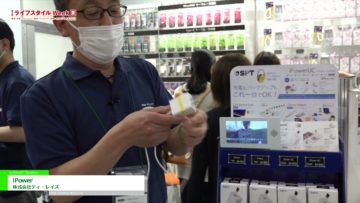
[16th LIFESTYLE Week TOKYO [JUNE]] iPower - T Raids Corp.
[18th LIFESTYLE Week TOKYO [July]] SWING PAN - Fujita Metal Co., Ltd.
[ 17th LIFESTYLE Week TOKYO [July] 2022] Rubber and parts can be removed! "Static electricity reduction hair tie" - Flower Ring Co., Ltd.
[17th LIFESTYLE Week TOKYO [July] 2022] Deodorant Reed Diffuser "Wood and Fruit Series" - Harukado Co.
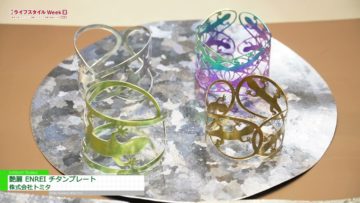
[18th LIFESTYLE Week TOKYO [July]] Stunning ENREI titanium plate - Tomita Co., Ltd.
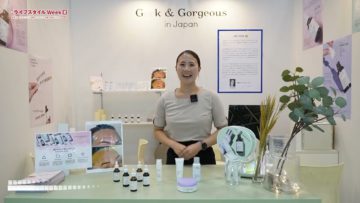
[18th LIFESTYLE Week TOKYO [July]] High-concentration vitamin C serum C-Glow - Geek & Gorgeous in Japan
[17th LIFESTYLE Week TOKYO [July] 2022] 3D GREENNOSE MASK - Green Nose Inc.
[18th LIFESTYLE Week TOKYO [July]] Luminous Jade [Mask Pack Collagen Cream] - bihibi Inc.
[16th LIFESTYLE Week TOKYO [JUNE]] Desk calendar Flower - Good morning corp.
Featured Exhibitions by Year
18th LIFESTYLE Week TOKYO [July] (Japan)
17th LIFESTYLE Week TOKYO [July] 2022
Benefits of Exhibiting
Lifestyle Week TOKYO [Summer] is a B2B trade show that brings together a wide range of lifestyle-related products, including lifestyle goods, gifts, stationery, fashion accessories, beauty and wellness goods, interiors, tableware, kitchenware, fan merchandise, and inbound tourism goods. Visitors include retailers, department stores, mass merchandisers, specialty shops, e-commerce businesses, trading companies, wholesalers, and product planners from manufacturers. They attend the event to source new products, place OEM orders, develop sales channels, and research market trends. For exhibitors, one of the main advantages is the ability to let buyers handle products directly and evaluate texture, size, design, packaging, price range, and retail presentation. Lifestyle products are often difficult to communicate through photos or catalogs alone, because texture, usage scenes, and brand worldview can strongly influence purchasing decisions. Effective booth design and exhibition videos can therefore help exhibitors communicate product background and usage in a short period of time, leading to stronger business discussions.
Preparation Points for Exhibitors
At Lifestyle Week TOKYO [Summer], many visitors are focused on sourcing, product planning, and OEM orders. Exhibitors need booth designs that allow buyers to quickly understand what the company offers, which retail channels the products suit, and what trading conditions are available. Rather than simply arranging products on shelves, exhibitors should clearly present retail proposals, gift applications, product series, and OEM capabilities.
- Separate main products, product series, and concept samples in the booth layout
- Prepare information on retail price, wholesale price, minimum order quantity, lead time, and OEM scope
- Create displays that show retail presentation and product usage scenes
- Clarify key themes such as fan merchandise, inbound tourism, sustainability, and gifting
- Use a two- to three-minute exhibition video to explain brand concept and product features
For gifts, lifestyle goods, fashion accessories, beauty products, and interior items, visual presentation is especially important. Exhibition videos can communicate product usage, development background, product series, and retail display ideas in a short time, helping buyers understand the value of the products more quickly. Since the impression of lifestyle products can change significantly depending on fixtures, shelves, lighting, packaging, and signage, exhibitors should work with booth contractors experienced in retail and lifestyle trade shows.
Estimated Exhibiting Costs
Booth Space Fees
Booth space fees for Lifestyle Week TOKYO [Summer] vary depending on the exhibition plan, booth location, application timing, and decoration requirements. Many exhibitors can start with a one-booth space, making it accessible for lifestyle goods makers, OEM suppliers, regional product manufacturers, and emerging brands. Established manufacturers and companies with multiple brands may reserve two or more booths to create meeting areas and category-specific product zones. Since lifestyle product exhibitors often display many items, it is important to plan not only booth space fees but also shelves, product displays, meeting tables, and storage areas.
Booth Design and Construction Costs
Booth construction costs vary widely depending on whether the exhibitor uses a modular system booth or a custom-built booth, and how extensively display fixtures are designed.
- Modular system booth: approximately JPY 300,000 to JPY 1,000,000
- Custom-built booth: approximately JPY 1,000,000 to JPY 4,000,000
- Additional decoration, lighting, and fixture design focused on brand presentation may increase costs
At Lifestyle Week TOKYO [Summer], buyers evaluate not only the products themselves but also how they look in a retail space, how they can be proposed as gifts, how product series are organized, and how the brand image is presented. Effective booth design may combine wall shelves, display tables, glass showcases, lighting, banners, signage, and monitors. LED screens and exhibition videos can visually communicate product usage scenes and brand stories.
Staffing Costs
A one-booth exhibit typically requires around two to four staff members, while two or more booths may require around four to eight staff members. Assigning roles for product explanation, business discussions, OEM consultation, and sample management can make visitor handling smoother. Lifestyle product buyers often ask specific questions about pricing, delivery times, minimum order quantities, wholesale rates, packaging specifications, name printing, and custom orders. Booth staff should therefore be prepared to answer practical business questions on the spot. During busy periods, videos, panels, and FAQ sheets can help maintain consistent communication quality.
Transportation and Logistics Costs
Lifestyle goods, tableware, interior items, baby products, and beauty goods often involve many product samples and fragile items, making transportation, packing, and move-in planning important. Samples, fixtures, catalogs, business materials, novelty items, and storage boxes can result in a larger shipment volume than initially expected. Tableware, glassware, ceramics, wooden products, and delicate lifestyle goods require protective packaging and planned setup work at the venue. Exhibitors should also prepare systems for replenishing catalogs and samples during the event, as well as storage space for extra materials.
Booth Examples by Size
One-Booth Exhibit
A one-booth exhibit is suitable for presenting a single brand or main product series. In a limited space, exhibitors should avoid displaying too many items and instead separate key products, best-selling candidates, and new items clearly. Wall shelves and display tables can organize product categories, while monitors showing usage scenes or brand introduction videos can increase visibility from the aisle. This format is suitable for new brands, regional product manufacturers, OEM suppliers, and gift product companies entering the exhibition for the first time.
Two-Booth Exhibit
A two-booth exhibit makes it easier to separate product display areas from business meeting areas. Companies handling multiple categories such as lifestyle goods, fashion accessories, beauty products, and kitchenware can use category-based zoning to help buyers find relevant products quickly. Combining exhibition videos, POP displays, shelves, and lighting can balance brand presentation with business functionality. For OEM or custom-order discussions, it is effective to secure space where buyers can check samples and discuss pricing at the same time.
Four or More Booths
A larger booth is suitable for companies handling multiple brands, multiple product categories, overseas buyers, or large-scale business negotiations. Island or open booth designs can improve visitor circulation and allow exhibitors to create category zones, meeting areas, demonstration spaces, video presentation areas, and photo spots. For visually appealing products such as inbound tourism goods or fan merchandise, large monitors and LED displays can increase visibility and attract buyers from a distance.
Key Elements of a Successful Exhibition Booth
Visitor Flow
At Lifestyle Week TOKYO [Summer], buyers visit many booths within a limited time. The booth should immediately communicate from the aisle what kinds of products are being offered. Placing key products and new items near the entrance, while setting meeting areas and sample-checking spaces further inside, can create a natural flow from stopping, picking up products, listening to explanations, and entering business discussions. When many products are displayed, shelves should be organized by category, price range, or usage so that buyers can understand the product lineup quickly.
Visibility
- Brand signage visible from a distance
- Wall graphics that clearly show product categories
- Display shelves and lighting that suggest retail presentation
- Large monitors or LED screens for video presentation
- Clear keywords such as fan merchandise, inbound tourism, sustainability, and gifts
For lifestyle goods, the first impression often determines whether buyers stop at the booth. Lighting, background colors, and fixture height should be adjusted to highlight product color, texture, and scale. Creating a photogenic booth presentation can also encourage social media sharing.
Demonstrations and Hands-On Experiences
For lifestyle products, hands-on experiences such as touching, using, comparing, and combining items can lead directly to business discussions. Kitchenware can be shown through usage scenes, beauty and wellness goods through product feel, stationery through writing experience, interiors through spatial presentation, and fan merchandise through customization examples. When creating hands-on exhibits, exhibitors should prepare POP displays and videos that explain usage without requiring constant staff explanation, so visitors can understand the products even when the booth is crowded.
Using Exhibition Videos
Exhibition videos are effective tools for communicating the appeal of lifestyle products within a short time. A two- to three-minute video can explain the brand concept, product usage, retail proposal, development story, and OEM capabilities in a structured way. For fan merchandise, inbound tourism goods, sustainable lifestyle products, and beauty and wellness items, video can supplement product displays by showing usage scenes and stories that are difficult to communicate through static displays alone. Displaying videos on LED monitors or large screens can stop buyers walking through the aisles and communicate product features even when staff are busy. For overseas buyers, English-language or subtitled videos can help create a smoother entry point for business discussions. Videos recorded during the exhibition can also be used after the event in sales materials, social media, exhibition landing pages, email marketing, and Internet Exhibition.tv, turning the exhibition into a long-term marketing asset rather than a one-time sales opportunity.
Visitor Acquisition Strategies for Better Exhibition Results
Email Marketing
Before the event, exhibitors should send invitation emails to existing customers, prospective buyers, previous business card contacts, e-commerce operators, wholesalers, and trading companies. The email should clearly include the booth number, new products, special business meeting opportunities, OEM support, sample availability, and appointment booking information. Since buyers often plan their visit schedule in advance, early communication can directly affect the number of business meetings.
Social Media
Instagram, X, LinkedIn, and Facebook can be used to share new products, planned exhibits, booth setup progress, product usage videos, and brand stories. Lifestyle products are highly compatible with photos and videos, and prior awareness through social media can lead to planned booth visits. Fan merchandise, gift items, design products, and beauty and wellness goods are especially suitable for short-form videos and reels.
Invitations and Direct Mail
For existing customers and priority buyers, printed invitations and direct mail can leave a stronger impression than email alone. In lifestyle, gift, and interior categories, invitations reflecting the brand worldview or direct mail with samples can be particularly effective. Invitations should clearly show main products, newly launched items, business meeting benefits, booth number, and contact information.
Exhibition Landing Pages
A dedicated exhibition landing page can help generate business discussions before the event begins. The page should include the exhibition overview, new product information, product catalog, exhibition video, appointment form, booth location, transaction conditions, and OEM capabilities. By directing traffic from social media, email, and direct mail to the landing page, exhibitors can help visitors understand products in advance and make business discussions more specific during the event. The landing page can also remain useful after the exhibition as a sales resource for buyers who could not attend.