What is Manufacturing World Tokyo? | Japan’s Comprehensive Trade Show for Manufacturing Technology and Industrial Innovation
TEXT1
Watch Exhibitor Videos
Manufacturing World Tokyo is a comprehensive B2B trade show for the manufacturing industry, bringing together technologies and solutions for design, development, production, factory operations, quality control, procurement, digital transformation, and next-generation manufacturing.
The exhibition covers a wide range of manufacturing-related fields, including DX solutions, mechanical components, factory equipment, measuring instruments, 3D printing, ODM and EMS services, cybersecurity, smart maintenance, energy-saving technologies, and AI-driven manufacturing solutions.
As manufacturers face labor shortages, supply chain restructuring, rising costs, energy efficiency requirements, factory automation needs, and pressure to accelerate product development, Manufacturing World Tokyo serves as a practical business platform where engineers, production managers, procurement teams, IT departments, and decision-makers can compare technologies and meet solution providers directly.
What is Manufacturing World Tokyo?
A Comprehensive Trade Show for the Manufacturing Industry
Manufacturing World Tokyo is one of Japan’s major manufacturing trade shows, covering technologies and services used across the manufacturing value chain. The show brings together products for design, engineering, production, inspection, factory management, maintenance, procurement, outsourcing, and digital transformation.
A B2B Platform for Technology Comparison and Business Negotiation
The event is designed for business discussions between manufacturing users and technology suppliers. Visitors include professionals from design, development, production engineering, manufacturing, purchasing, quality control, maintenance, factory management, and information systems departments. Exhibitors can present products and technologies directly to people involved in supplier selection, technical evaluation, and investment decisions.
Event Overview
Latest Event Information
| Event Name | Manufacturing World Tokyo |
|---|---|
| Dates | July 1–3, 2026 |
| Opening Hours | 10:00 a.m.–5:00 p.m. |
| Venue | Tokyo Big Sight, Tokyo, Japan |
| Organizer | RX Japan Ltd. |
| Format | B2B trade show for manufacturing technology and industrial solutions |
| Admission | Visitor registration required |
Event Scale, Attendance and Exhibitor Numbers
Latest Planned Scale
- Expected exhibitors: more than 2,000 companies
- Expected visitors: 70,000
- Specialized shows: 12
- Venue: Tokyo Big Sight
Manufacturing World Tokyo is a large-scale trade show that enables manufacturing professionals to compare a broad range of technologies and services in one venue. The exhibition covers both upstream and downstream manufacturing processes, from design and development to production, inspection, factory operations, maintenance, supply chain management, and digital transformation.
Visitor Attendance
| Year | Visitors | Key Notes |
|---|---|---|
| 2025 | 55,749 | Business discussions were held across manufacturing DX, components, equipment, inspection, production technologies, and related fields |
| 2026 | 70,000 expected | Scheduled to be held at Tokyo Big Sight with more than 2,000 expected exhibitors |
Exhibition Categories
Main Product and Technology Categories
- CAD, CAM, CAE and design systems
- PLM, PDM, BOM and production management systems
- Mechanical components, motors, motion technologies and piping parts
- Processing technologies, surface treatment, screws, springs and machine elements
- Medical and healthcare device development technologies
- Factory equipment, energy-saving products and safety solutions
- 3D printers and additive manufacturing technologies
- Measuring, testing, inspection and sensor technologies
- Manufacturing DX, AI, IoT and data utilization solutions
- ODM, EMS, contract manufacturing and outsourcing services
- Cybersecurity solutions for manufacturing sites
- Maintenance, smart maintenance and next-generation factory technologies
Concurrent Specialized Shows
- Design Manufacturing Solutions Expo
- Mechanical Components & Technology Expo
- Medical Device Development Expo
- Factory Facilities & Equipment Expo
- Additive Manufacturing Expo
- Measure/Test/Sensor Expo
- Manufacturing DX Expo
- Industrial ODM/EMS Expo
- Manufacturing Cyber Security Expo
- Smart Maintenance Expo
- Physical AI Expo
- Manufacturing NEXT
Market Developments and Key Trends
1. Acceleration of Manufacturing DX and AI Adoption
Manufacturers are increasingly adopting digital technologies to shorten development cycles, improve production efficiency, visualize factory operations, and strengthen decision-making. AI, IoT, data platforms, production management systems, digital twins, and predictive maintenance tools are becoming important themes across design, production, inspection, and maintenance.
2. Automation and Labor-Saving Solutions
Labor shortages and rising production complexity are driving demand for automation, robotics, smart factory equipment, automated inspection, material handling systems, and digital work support. Solutions that improve productivity without relying only on additional labor are becoming important for both large manufacturers and small to midsize factories.
3. Quality Control, Measurement and Inspection
As products become more precise and production processes become more complex, measuring instruments, sensors, 3D measurement, non-contact inspection, data-driven quality control, and traceability systems are gaining greater importance. Buyers are looking for technologies that can improve yield, reduce defects, and support stable production.
4. Supply Chain Resilience and Local Procurement
Manufacturers are reviewing procurement networks, outsourcing partners, and production bases in response to global supply chain risks. Manufacturing World Tokyo provides opportunities to discover new component suppliers, processing companies, ODM and EMS partners, and alternative sourcing options.
5. Energy Efficiency and Sustainable Manufacturing
Energy-saving equipment, factory environment improvements, efficient production systems, waste reduction, and decarbonization-related solutions are becoming increasingly important. Manufacturers are expected to balance productivity, quality, cost, and environmental responsibility.
6. Cybersecurity for Manufacturing Sites
As factories become more connected through IoT, cloud systems, remote monitoring, and digital production management, cybersecurity risks for manufacturing sites are increasing. Security solutions for OT environments, production networks, access control, and incident response are becoming essential for smart factories.
Visitor Profiles and Business Needs
Key Visitor Groups
- Automotive manufacturers
- Electronics and electrical equipment manufacturers
- Machinery and industrial equipment manufacturers
- Precision equipment manufacturers
- Medical device and healthcare equipment manufacturers
- Factory managers and production engineering teams
- Design and development departments
- Purchasing and procurement departments
- Quality control and inspection departments
- Information systems and DX departments
Primary Reasons for Attending
- Finding technologies to shorten development and manufacturing lead times
- Comparing suppliers of components, processing technologies and production equipment
- Promoting DX, AI, IoT and smart factory initiatives
- Improving quality control, inspection accuracy and traceability
- Reducing production costs and improving productivity
- Finding outsourcing, ODM, EMS and contract manufacturing partners
- Strengthening factory cybersecurity and maintenance systems
A major feature of Manufacturing World Tokyo is that many visitors are directly involved in practical manufacturing operations and technology evaluation. This makes the event suitable not only for brand awareness but also for concrete technical discussions, supplier selection, demonstration-based sales, and project development.
Key Features of Manufacturing World Tokyo
1. Broad Coverage of Manufacturing Technologies
The show covers a wide range of manufacturing-related technologies, including design software, mechanical components, production equipment, inspection systems, factory facilities, 3D printing, DX solutions, AI, cybersecurity, maintenance, and outsourcing services. This breadth allows visitors to compare multiple solutions for different stages of the manufacturing process in one venue.
2. Strong Match with Manufacturing User Departments
The event attracts professionals from design, development, production engineering, manufacturing, purchasing, information systems, quality control, and factory management departments. Exhibitors can therefore approach both technical users and decision-making departments.
3. Practical Business Negotiations and Technical Discussions
Because the event is focused on B2B negotiations, exhibitors can present technical specifications, case studies, prototypes, samples, demonstrations, and implementation proposals directly to manufacturing professionals. This makes it suitable for companies that need to explain complex technologies or compare performance in detail.
Frequently Asked Questions
Can members of the public attend Manufacturing World Tokyo?
Manufacturing World Tokyo is a B2B trade show intended for professionals in manufacturing and related industries. Visitor registration is required, and the event is mainly aimed at companies and professionals involved in design, production, procurement, engineering, factory operations, and manufacturing DX.
What kinds of products and technologies are exhibited?
Exhibits include design and manufacturing solutions, mechanical components, factory equipment, 3D printing, measuring and inspection technologies, manufacturing DX, ODM and EMS services, cybersecurity, smart maintenance, production management, sensors, AI, and next-generation manufacturing solutions.
What types of companies should consider exhibiting?
The event is suitable for suppliers of manufacturing software, factory equipment, machine parts, processing technologies, inspection systems, sensors, robotics, AI, IoT, cybersecurity, maintenance tools, ODM and EMS services, and other solutions for manufacturing users.
Is the event suitable for overseas companies?
Yes. Manufacturing World Tokyo attracts manufacturing professionals from Japan and overseas. Overseas suppliers seeking Japanese customers, distributors, manufacturing partners, or procurement contacts can use the event as a platform for business development in the Japanese manufacturing market.
Can exhibitors conduct technical demonstrations?
Yes. Demonstrations are especially effective at Manufacturing World Tokyo because many visitors evaluate technologies from a practical manufacturing perspective. Exhibitors should prepare demonstrations, samples, case studies, videos, and technical materials that clearly show performance, application areas, and implementation benefits.
[37th Manufacturing World Japan 2025] Spring Wire - SHIBATA CO.,LTD.
[Manufacturing World Japan 2022] Polymer barrier - A-SAFE
[Manufacturing World Japan 2023] Business improvement support tool "JIGlet" - ACCESS Co., Ltd. / Murata Manufacturing Co., Ltd.
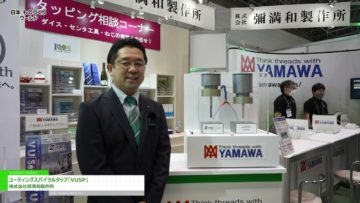
[Manufacturing World Japan 2023] Coated Spiral Tap "VUSP" - Yamanwa Manufacturing Co., Ltd.
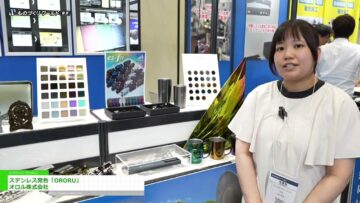
[37th Manufacturing World Japan 2025] Stainless steel coloring “ORORU” - ORORU Inc.
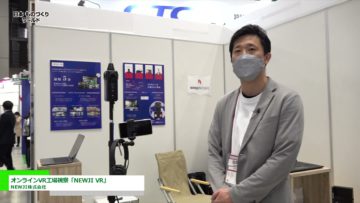
[Manufacturing World Japan 2022] Online VR Factory Tour "NEWJI VR" - NEWJI Corporation
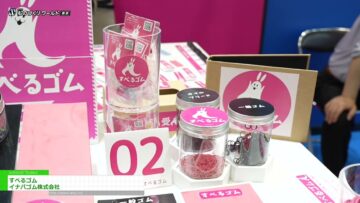
[37th Manufacturing World Japan 2025] Sliding Rubber - INABA RUBBER CO.,LTD
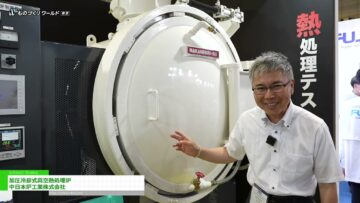
[37th Manufacturing World Japan 2025] Pressure-cooled Vacuum Heat Treatment Furnace - NAKANIHON RO KOGYO CO.,LTD.
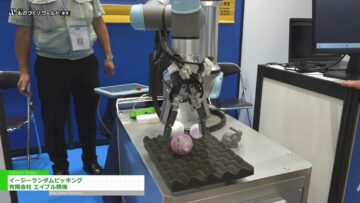
[37th Manufacturing World Japan 2025] Easy Random Picking - Able Precision Inc.
Featured Exhibitions by Year
37th Manufacturing World Japan 2025 (Japan)
36th Manufacturing World [Tokyo] 2024 (Japan)
Manufacturing World Japan 2023 (Japan)
Benefits of Exhibiting
Manufacturing World Tokyo is a major B2B trade show where manufacturing users gather to compare technologies for design, development, production, factory operations, procurement, quality control, maintenance, and digital transformation. The event brings together exhibitors offering IT, DX products, mechanical components, equipment, machinery, measuring instruments, inspection systems, factory facilities, cybersecurity, maintenance technologies, and outsourcing services.
For exhibitors, the main advantage is the ability to meet manufacturing professionals who are actively looking for technologies to solve operational challenges. Visitors often come with specific needs, such as reducing production costs, shortening development lead times, improving inspection accuracy, automating factory operations, strengthening supply chains, or promoting smart factory initiatives.
Because the exhibition is focused on business negotiations between companies, it is suitable for exhibitors that need to explain technical specifications, present samples, conduct live demonstrations, or discuss implementation conditions with professional buyers and engineers.
Preparation Points for Exhibitors
Many visitors to Manufacturing World Tokyo are engineers, production managers, design and development staff, procurement teams, factory managers, maintenance departments, quality control teams, and information systems departments. Exhibitors therefore need to communicate both technical credibility and practical business value.
Instead of simply displaying products, exhibitors should explain where the solution fits in the manufacturing process, what problems it solves, what measurable benefits it provides, and how it can be implemented in a real factory or production environment.
- Clarify the target department, such as design, production engineering, manufacturing, quality control, procurement, maintenance or information systems
- Prepare demonstrations, samples, test data, comparison charts and case studies
- Show how the solution contributes to cost reduction, productivity improvement, lead time reduction or quality improvement
- Organize technical documents, specifications, installation requirements and pricing information
- Use a two- to three-minute exhibition video to explain complex technologies and application scenarios
Manufacturing technologies often require detailed explanation. Exhibition videos can help visitors quickly understand system configuration, workflow, product performance, installation scenes, before-and-after improvements, and customer use cases. Videos are especially effective when exhibitors need to communicate complex systems such as production management software, AI inspection, robotics, measuring equipment, smart maintenance, cybersecurity, or factory automation.
Estimated Exhibiting Costs
Booth Space Fees
Booth space fees vary depending on the exhibition plan, booth location, application timing, and the organizer’s latest exhibitor package. Companies considering participation should confirm the official exhibitor brochure for the current fee structure.
A one-booth exhibit can be suitable for presenting a single technology, component, software product, or service. Companies with multiple product lines, large equipment, live demonstrations, meeting areas, or sample displays may need two or more booths.
For manufacturing-related exhibitions, booth planning should account not only for display space but also for demonstration space, power supply, machinery operation, sample storage, meeting tables, safety zones, and visitor flow.
Booth Design and Construction Costs
Booth construction costs vary significantly depending on whether the exhibitor uses a modular booth or a custom-built booth, and whether the booth includes machinery, demonstration equipment, monitors, LED screens, raised flooring, soundproofing, storage areas, or meeting rooms.
- Modular system booth: approximately JPY 300,000 to JPY 1,000,000
- Custom-built booth: approximately JPY 1,000,000 to JPY 5,000,000 or more
- Large machinery, robotics, live demonstration or production-line-style exhibits may require additional costs
At Manufacturing World Tokyo, many visitors evaluate products from a technical and operational perspective. Booth design should therefore make it easy to understand what the product does, which manufacturing process it supports, and what benefits it provides. Large monitors, LED displays, demonstration counters, product samples, process diagrams, and exhibition videos can help communicate technical value clearly.
Staffing Costs
A one-booth exhibit typically requires around two to four staff members, while a larger booth may require engineers, sales staff, product specialists, interpreters, demonstration operators, and meeting coordinators. For manufacturing exhibitions, it is important to have staff who can answer detailed questions about specifications, compatibility, installation conditions, delivery time, maintenance, pricing, and return on investment.
Since technical visitors may ask different questions depending on their department, staff roles should be assigned in advance. For example, sales staff can handle initial conversations, engineers can explain technical details, and senior staff can join discussions about project requirements or procurement conditions.
Transportation and Logistics Costs
Manufacturing exhibits may include machinery, components, measuring instruments, sensors, control panels, robots, factory equipment, samples, catalogs, demonstration units, and display fixtures. These items can require careful packing, transportation, installation, and safety management.
If machinery, robots, heavy equipment, or precision instruments are displayed, exhibitors should plan logistics early, including delivery route, unloading method, electricity requirements, compressed air, internet connection, floor load, safety covers, and setup schedule. Spare parts, tools, cables, consumables, and backup devices should also be prepared to avoid interruptions during demonstrations.
Booth Examples by Size
One-Booth Exhibit
A one-booth exhibit is suitable for presenting a focused product, component, software solution, measuring device, processing technology, or service. In a limited space, exhibitors should avoid overloading the booth with too many messages. A clear headline, sample display, product demonstration, process diagram, and short video can help visitors quickly understand the solution.
This format is suitable for first-time exhibitors, component manufacturers, software vendors, processing companies, inspection equipment suppliers, and specialized service providers.
Two-Booth Exhibit
A two-booth exhibit allows exhibitors to separate the demonstration area from the business meeting area. It is suitable for companies that need to show equipment operation, compare samples, explain software screens, or present several product categories.
For example, one side can be used for demonstrations and product displays, while the other side can be used for technical discussions, quotation consultations, and follow-up meeting arrangements. Combining a live demonstration with an explanatory video can help communicate both technical performance and business value.
Four or More Booths
A booth with four or more spaces is suitable for companies presenting large machinery, factory automation systems, robotics, production-line-style demonstrations, multiple product zones, or several brands. Larger booths can include demonstration stages, private meeting rooms, storage areas, reception counters, and large video displays.
This format is effective for companies that need to attract visitors from a distance, run scheduled presentations, handle multiple business meetings at the same time, or communicate complex solution portfolios.
Key Elements of a Successful Exhibition Booth
Visitor Flow
Visitors at Manufacturing World Tokyo often move through the venue with specific technical objectives. The booth should clearly indicate the target application, industry, and manufacturing process from the aisle. A successful layout guides visitors from a quick first impression to product understanding, demonstration viewing, technical discussion, and business negotiation.
For equipment demonstrations, it is important to separate the viewing area from the meeting area so that crowds do not block business discussions or safety zones. If machinery is operating, safety lines, explanation panels, and staff placement should be planned carefully.
Visibility
- Large signage showing the target manufacturing process or problem solved
- Clear product category labels visible from the aisle
- Demonstration screens, sample displays and process diagrams
- Large monitors or LED screens for videos and case studies
- Keywords such as DX, AI, automation, inspection, cost reduction, labor saving, energy saving and cybersecurity
Even at a technical trade show, visitors need to understand the booth concept within a few seconds. Clear signage and visual communication are especially important when the product is complex or when the booth competes with many similar technologies in the same exhibition hall.
Demonstrations and Hands-On Experiences
Live demonstrations are highly effective at Manufacturing World Tokyo because visitors often evaluate products based on actual usability, performance, reliability, accuracy, and implementation feasibility. Exhibitors should prepare demonstrations that show before-and-after improvements, real measurement data, processing speed, inspection accuracy, software workflow, or factory operation scenarios.
When hands-on demonstrations are difficult, exhibitors can use sample workpieces, cross-section models, simulation videos, dashboards, touchscreens, and comparison panels. The goal is to help visitors understand not only the product features but also how the technology will improve their own manufacturing site.
Using Exhibition Videos
Exhibition videos are useful for explaining complex manufacturing technologies in a short time. A two- to three-minute video can summarize the product concept, target application, operating process, installation example, customer case study, and measurable benefits.
Videos are particularly effective for technologies that are difficult to demonstrate fully inside the booth, such as large-scale production systems, factory automation, AI inspection, cybersecurity, production management software, smart maintenance, energy-saving equipment, and supply chain solutions.
When shown on a large monitor or LED screen, video content can attract visitors from the aisle and communicate the solution even when staff members are already engaged in discussions. For overseas visitors, English subtitles or multilingual versions can improve communication and create smoother business opportunities.
Videos recorded during the exhibition can also be used after the event in sales presentations, email follow-ups, social media, exhibition landing pages, online catalogs, and Internet Exhibition.tv. This turns a three-day exhibition into a longer-term marketing asset.
Visitor Acquisition Strategies for Better Exhibition Results
Email Marketing
Before the event, exhibitors should send invitation emails to existing customers, prospects, distributors, agents, procurement contacts, engineers, and past exhibition leads. The email should clearly include the booth number, featured products, demonstration schedule, available consultation topics, appointment booking method, and downloadable materials.
In manufacturing sectors, many visitors plan their schedule around specific technologies and business meetings. Early outreach can increase the number of qualified appointments and improve booth traffic.
Social Media
LinkedIn, X, YouTube, and industry media channels can be used to share demonstration previews, product videos, technical explanations, booth setup progress, and seminar announcements. Manufacturing audiences respond well to practical content such as case studies, before-and-after improvements, application examples, and short technical videos.
Social media posts should connect the exhibition theme with specific manufacturing challenges, such as productivity improvement, inspection automation, labor saving, cost reduction, DX, AI adoption, energy efficiency, and cybersecurity.
Invitations and Direct Mail
Printed invitations, direct mail, catalogs, and sample-based mailings can be effective for priority customers and key accounts. For manufacturing buyers, physical materials such as product samples, technical brochures, comparison tables, and application guides can make the invitation more memorable.
The invitation should clearly explain what visitors can see, test, compare, or discuss at the booth. It should also include the booth number, contact person, meeting reservation method, and any scheduled demonstrations.
Exhibition Landing Pages
A dedicated exhibition landing page can support lead generation before and after the event. The page should include the exhibition overview, booth location, featured products, demonstration schedule, technical documents, case studies, exhibition videos, appointment form, and inquiry form.
By directing visitors from email, social media, advertisements, and direct mail to the landing page, exhibitors can help prospects understand the offering before visiting the booth. After the event, the landing page can continue to function as a sales resource for leads who attended the show and prospects who could not visit in person.
SPORTEC Booth Design & Construction Companies
Request a Booth Contractor Recommendation and Receive a Free Exhibitor Video Package
Submit your requirements and our team will recommend suitable contractors.
Looking for a booth design and construction company for this exhibition?
Tell us about your project and requirements.
Our team will review your request and introduce suitable contractors.
As a special benefit, exhibitors who request quotations through our service will receive a complimentary exhibitor video production package.
Your request is not automatically sent to all contractors. We carefully review your requirements and connect you with the most suitable companies.