

What is Tokyo International Gift Show Spring LIFE×DESIGN? | Japan’s Trade Show for Design, Craft, Interior and Renovation

What is Tokyo International Gift Show Spring LIFE×DESIGN? | Japan’s Trade Show for Design, Craft, Interior and Renovation
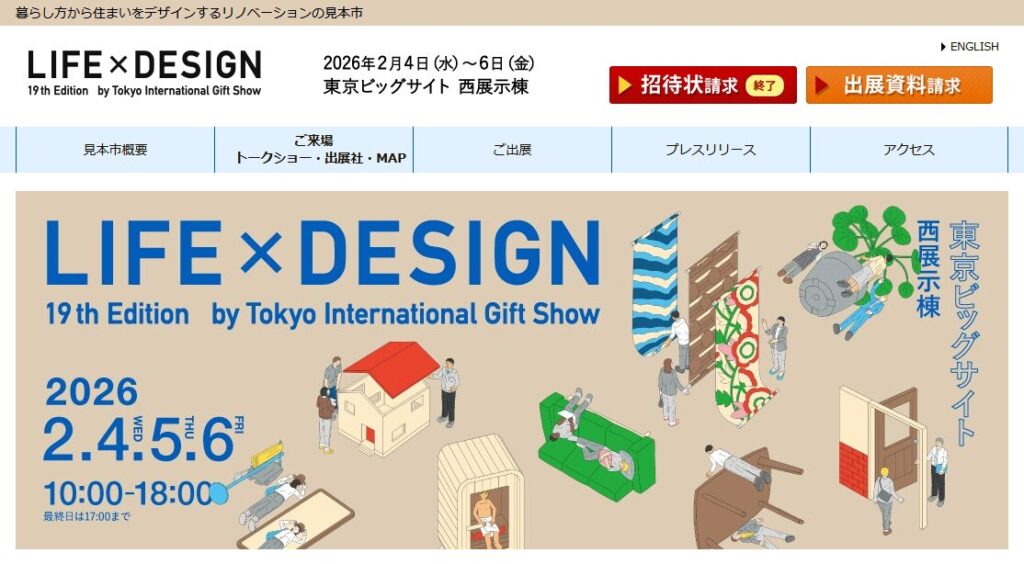
Tokyo International Gift Show Spring LIFE×DESIGN is a B2B trade show focused on design products, craft, interior goods, furniture, renovation, lifestyle spaces, materials, local manufacturing, Japanese brands, and contract business opportunities.
Held as a concurrent exhibition of the Tokyo International Gift Show, LIFE×DESIGN connects retail buyers, interior shops, design stores, department stores, architects, designers, construction firms, real estate developers, hotel and facility operators, manufacturers, local makers, craft producers, and lifestyle product brands.
The exhibition is positioned not only as a venue for sourcing products for retail stores, but also as a business platform for interior proposals, renovation projects, hospitality spaces, contract furniture, design materials, and high-value lifestyle solutions. It is especially useful for companies that want to present product stories, craftsmanship, design value, spatial proposals, and Japanese manufacturing capabilities.
What is Tokyo International Gift Show Spring LIFE×DESIGN?
A Trade Show for Designing Ways of Living and Living Spaces
LIFE×DESIGN is a specialized exhibition held under the theme of designing lifestyles and living spaces. It covers product categories that bridge retail, interior design, architecture, renovation, hospitality, craft, local manufacturing, and design-driven lifestyle markets.
A B2B Platform for Both Retail and Contract Business
A major feature of LIFE×DESIGN is that it approaches both retail distribution and contract-related business. In addition to buyers from gift shops, interior shops, lifestyle stores, department stores and e-commerce businesses, the exhibition also attracts architects, construction companies, developers, real estate owners and other professionals involved in spaces and facilities.
Event Overview
Latest Event Information
| Event Name | Tokyo International Gift Show Spring 2026 The 19th LIFE×DESIGN |
|---|---|
| Concept | A trade show for renovation and lifestyle design based on ways of living |
| Dates | February 4–6, 2026 |
| Opening Hours | February 4–5: 10:00 a.m.–6:00 p.m.; February 6: 10:00 a.m.–5:00 p.m. |
| Venue | Tokyo Big Sight, West Halls 1, 3 and 4, and Atrium |
| Organizer | Business Guide-Sha, Inc., LIFE×DESIGN Office |
| Admission | Free with advance registration |
| Visitor Target | Domestic and overseas distribution professionals in the personal gift market, as well as professionals from housing and space-related industries |
Event Scale, Attendance and Exhibitor Numbers
Latest Published Event Results
- Visitors: 45,537 for the LIFE×DESIGN and LIVING & DESIGN area
- LIFE×DESIGN exhibitors: 766 companies, including 6 overseas exhibitors from 4 countries and regions
- LIVING & DESIGN exhibitors: 7 companies
- Total visitors for the full concurrent event: 226,166, including 2,496 overseas visitors
- Total exhibitors for the full concurrent event: 2,789 companies, including 368 overseas exhibitors from 16 countries and regions
Tokyo International Gift Show Spring LIFE×DESIGN is held together with the main Tokyo International Gift Show and related concurrent exhibitions. This creates a large-scale business environment where buyers can compare gifts, lifestyle goods, interiors, design products, food-related products, renovation materials and spatial proposals within the same venue.
Recent Event Results
| Year | Event | Visitors | Key Notes |
|---|---|---|---|
| 2026 | 19th LIFE×DESIGN / LIVING & DESIGN 2026 | 45,537 | The event attracted buyers and professionals interested in design products, craft, renovation, interiors and contract business |
| 2026 | Full Tokyo International Gift Show Spring concurrent event | 226,166 | The full event covered personal gifts, lifestyle goods, food, design, interiors and related markets |
Exhibition Categories
Three Core Axes of LIFE×DESIGN
- DESIGN × CRAFT: active design, active craft, creators and high-quality design products
- LIFESTYLE × RENOVATION: living spaces, renovation, interior proposals, sauna, glamping, art, DIY and lifestyle styling
- LOCAL × FACTORY: traditional Japanese craftsmanship, local factories, materials, sustainable circulation and modern Japanese brands
Main Product and Service Categories
- Design products
- Craft products
- Interior goods
- Furniture and home furnishing products
- Lighting and decorative products
- Renovation materials and housing-related products
- Architectural and interior materials
- Japanese traditional craft products
- Local manufacturing and factory-origin products
- Sustainable and circular design products
- Art, gallery products and lifestyle objects
- Sauna-related products
- Glamping and outdoor lifestyle products
- DIY products and workshop-related items
- Retail display and spatial presentation products
Key Fair Components
- ACTIVE DESIGN & CRAFT FAIR
- FOCAL POINT
- ACTIVE CREATORS
- LIFE STYLINGS
- Sauna Fair
- Glamping
- Art Gallery Fair
- Renovation Zone
- DIY BASE TOKYO
- Traditional and Modern Japanese Brand Fair
- Factory NOW!
- SOZAI Exhibition
- re:re:re
Market Developments and Key Trends
1. Design-Led Lifestyle Consumption
In the gift, interior and lifestyle markets, buyers increasingly evaluate products not only by function and price, but also by design quality, material story, production background, sustainability and brand worldview. LIFE×DESIGN is well suited to products that require explanation of concept, craftsmanship and usage scenes.
2. Growth of Renovation and Space-Oriented Business
Demand for renovation, interior improvement, hospitality spaces, office renovation, retail space design and residential lifestyle proposals continues to expand. Products that can be used in homes, stores, hotels, offices, facilities and public spaces have opportunities beyond conventional retail channels.
3. Japanese Craft and Local Manufacturing
Traditional techniques, local materials, factory technologies and modern Japanese brands are gaining attention from both domestic and overseas buyers. Products that combine craftsmanship with contemporary design can appeal to select shops, museums, hotel projects, overseas buyers and lifestyle retailers.
4. Contract Business and High-Value Orders
Because LIFE×DESIGN attracts architects, developers, construction firms, interior professionals and real estate-related visitors, exhibitors can pursue not only product sales but also contract orders for housing, hospitality, commercial facilities and renovation projects.
5. Sustainable and Circular Design
Sustainability is an important theme in lifestyle and interior markets. Recycled materials, upcycled products, long-life design, repairable products, local production and circular systems are becoming important factors for buyers and project planners.
6. Experience-Based Product Presentation
Products related to sauna, glamping, DIY, art, interior styling and lifestyle scenes benefit from experiential presentation. Visitors need to imagine how products will be used in actual spaces, so booth design, product staging, video and spatial storytelling are increasingly important.
Visitor Profiles and Business Needs
Key Visitor Groups
- Interior shops and lifestyle stores
- Select shops and design stores
- Department stores and specialty retailers
- Furniture and home furnishing retailers
- E-commerce and mail-order businesses
- Trading companies and wholesalers
- Architects and interior designers
- Construction companies and renovation firms
- Real estate developers and property owners
- Hotel, restaurant and facility operators
- Manufacturers and product planners
- Overseas buyers and importers
Primary Reasons for Attending
- Sourcing design products, craft items and lifestyle goods
- Finding products for interior shops, select shops and department stores
- Researching renovation materials and space-related products
- Discovering Japanese brands, local makers and factory-origin products
- Finding products suitable for hospitality, residential and commercial facilities
- Exploring OEM, ODM, collaboration and project-based opportunities
- Researching trends in sustainability, craft, materials and lifestyle design
A major feature of LIFE×DESIGN is that visitors often evaluate both the product itself and the space or lifestyle it can create. This makes the event suitable for exhibitors that need to present product stories, usage scenes, material qualities, spatial applications and brand concepts directly.
Key Features of LIFE×DESIGN
1. A Bridge Between Retail and Contract Markets
LIFE×DESIGN is not limited to product sourcing for retail stores. It also connects exhibitors with professionals involved in architecture, interiors, renovation, real estate, hospitality and facility projects. This allows exhibitors to explore both wholesale distribution and project-based business.
2. Strong Focus on Design, Craft and Materials
The exhibition highlights design products, craftsmanship, materials, local manufacturing and modern Japanese brands. It is especially suitable for companies that want to communicate quality, background, production technique and originality.
3. Effective for Storytelling and Brand Presentation
Because design and lifestyle products are often selected through emotional and visual appeal, exhibitors can benefit from booth design, spatial staging, videos, demonstrations and direct conversations that explain the story behind each product.
Frequently Asked Questions
Can members of the public attend LIFE×DESIGN?
LIFE×DESIGN is a B2B trade show intended for distribution professionals, buyers, retailers, interior and housing-related professionals, and other business visitors. Admission is free with advance registration under the organizer’s conditions.
What kinds of products are exhibited?
Exhibits include design products, craft items, interior goods, furniture, lighting, renovation materials, traditional Japanese products, local factory products, sustainable products, sauna goods, glamping products, DIY products, art items and lifestyle-related goods.
What types of companies should consider exhibiting?
The event is suitable for design brands, craft makers, local manufacturers, interior product companies, furniture brands, material suppliers, renovation-related companies, lifestyle product brands, sustainable product companies and businesses seeking retail or contract sales channels.
Is the event useful for overseas buyers?
Yes. LIFE×DESIGN is held alongside the Tokyo International Gift Show, which attracts domestic and overseas buyers. Overseas buyers can discover Japanese design products, craft items, local brands, interiors, materials and lifestyle goods.
Can exhibitors develop contract business at LIFE×DESIGN?
Yes. Because the event attracts housing-related professionals, architects, construction companies, developers and facility-related visitors, exhibitors can use the exhibition to develop not only retail sales but also contract business for homes, hotels, commercial facilities and renovation projects.
Watch Exhibitor Videos
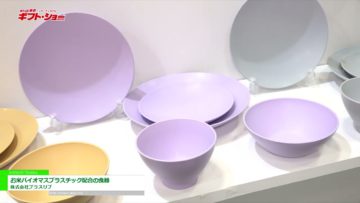
[The 94th TOKYO INTERNATIONAL Gift Show Autumn 2022] Tableware "Hokari Series" containing rice biomass plastic - Plusrib Co., Ltd.
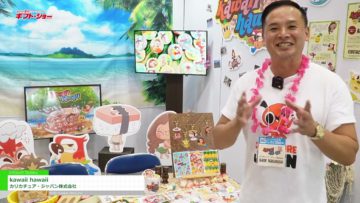
[The 96th TOKYO INTERNATIONAL ] kawaii hawaii - Caricature Japan Co., Ltd.

[The 97th TOKYO INTERNATIONAL Gift Show Spring 2024] Hiden NINJA MAGIC SPICE - Fujino Founding Co., Ltd. F-BOX
Featured Exhibitions by Year
 9 VideosPlay All
 The 101st TOKYO INTERNATIONAL Gift Show Spring 2026 (Japan)
 15 VideosPlay All
 The 97th TOKYO INTERNATIONAL Gift Show Spring 2024 (Japan)
 15 VideosPlay All
 The 96th TOKYO INTERNATIONAL Gift Show Autumn (Japan)
Benefits of Exhibiting
Tokyo International Gift Show Spring LIFE×DESIGN is a B2B trade show where retail buyers, interior shops, lifestyle stores, design stores, architects, renovation companies, developers, hotel and facility operators, wholesalers, trading companies, product planners and overseas buyers gather to discover design products, craft, interiors, renovation materials and lifestyle proposals.
For exhibitors, the main advantage is the ability to approach both retail distribution and contract business in one venue. Products can be proposed not only as items for stores, but also as materials and solutions for homes, hotels, offices, commercial spaces, public facilities, renovation projects and hospitality environments.
Because LIFE×DESIGN emphasizes design, craft, lifestyle scenes and spatial proposals, it is especially suitable for companies that need to communicate product background, material quality, production technique, brand story and usage scenes. A well-designed booth and exhibition video can help visitors understand not only what the product is, but also how it can be used in actual spaces.
Preparation Points for Exhibitors
Many visitors to LIFE×DESIGN are buyers, designers, architects, interior professionals, developers, store planners and project owners. Exhibitors therefore need to present both product appeal and business applicability.
Instead of simply displaying products, exhibitors should explain what type of space, store, customer segment or project the product fits. It is also important to show retail conditions, contract order possibilities, customization options, lead time, materials, production background and installation requirements.
- Clarify whether the product is suited for retail, contract, hospitality, renovation, interior design or lifestyle stores
- Prepare product samples, material samples, usage scenes, installation examples and brand story materials
- Show how the product can be used in stores, homes, hotels, offices, commercial facilities or public spaces
- Organize wholesale conditions, minimum order quantity, customization options, delivery time and project response capacity
- Use a two- to three-minute exhibition video to explain the brand concept, production process and spatial applications
Design, craft and interior products often require visual and emotional explanation. Exhibition videos are useful for showing production scenes, craft techniques, lifestyle settings, renovation examples, product styling, store displays and completed project images. They can help visitors understand the value of products that cannot be fully communicated through static displays alone.
Estimated Exhibiting Costs
Booth Space Fees
The official LIFE×DESIGN exhibitor information lists a standard plan of JPY 430,000 excluding tax per booth and a creative plan of JPY 410,000 excluding tax per booth for exhibitors using four or more booths. A separate option deposit is required depending on the number of booths.
A one-booth exhibit can be suitable for presenting a focused design brand, craft product, material, lifestyle product or local manufacturing concept. Companies that need to present multiple product lines, spatial proposals, furniture, interior materials, renovation solutions or contract business may require two or more booths.
For LIFE×DESIGN, booth planning should consider not only product display space, but also staging, lighting, material samples, meeting tables, storage, video presentation, visitor flow and brand storytelling.
Booth Design and Construction Costs
Booth construction costs vary depending on whether the exhibitor uses the basic system booth, a simple modular booth, a custom-built booth or a space-focused design booth. Costs may increase when the booth includes original fixtures, lighting design, large monitors, LED screens, furniture styling, wall finishes, flooring, sample displays or private meeting areas.
- Basic standard booth: based on the organizer’s standard booth equipment
- Modular booth with additional fixtures: suitable for product display and small business meetings
- Custom-built booth: suitable for brands emphasizing spatial presentation, design identity and contract proposals
- Additional lighting, display fixtures, wall finishes, monitors, video equipment and styling items may require extra costs
At LIFE×DESIGN, booth design strongly influences how products are perceived. The same product can appear more attractive when displayed with appropriate lighting, fixtures, background materials, color balance and lifestyle scenes. Large monitors and exhibition videos can help communicate production background, usage scenes and brand worldview.
Staffing Costs
A one-booth exhibit typically requires around two to four staff members, while larger booths may require sales staff, product specialists, designers, project coordinators, interpreters and meeting staff. Since visitors may come from both retail and contract fields, booth staff should be prepared to answer different types of questions.
Retail buyers may ask about wholesale price, minimum order quantity, delivery time, packaging and repeat order conditions. Architects, developers and renovation professionals may ask about materials, dimensions, installation methods, durability, customization, project delivery and maintenance. Assigning staff roles in advance helps improve response quality.
Transportation and Logistics Costs
Exhibits may include furniture, interior goods, lighting, materials, craft products, fragile items, catalogs, displays, samples, monitors and booth fixtures. These items may require careful packing, transportation, storage and installation planning.
For ceramics, glass, wood products, furniture, lighting, metal goods, textiles and large materials, exhibitors should plan protective packaging, delivery schedules, booth setup workflow and storage space. If the booth includes furniture styling, renovation samples or large product displays, transportation volume may be larger than expected. Backup samples, repair tools, cleaning supplies and replacement parts should also be prepared.
Booth Examples by Size
One-Booth Exhibit
A one-booth exhibit is suitable for presenting a focused brand, craft product line, design product, local manufacturing concept or material sample. In a limited space, exhibitors should avoid displaying too many items and instead communicate a clear brand concept.
A strong product display, wall graphic, material sample, small monitor and short video can help visitors quickly understand the product story. This format is suitable for first-time exhibitors, craft makers, small design brands, local manufacturers and niche material suppliers.
Two-Booth Exhibit
A two-booth exhibit allows exhibitors to separate product presentation from business discussions. It is suitable for companies that need to show product series, interior scenes, material variations or small spatial proposals.
For example, one side can be used for lifestyle staging and product display, while the other side can be used for meetings with retail buyers, architects and project owners. Combining a styled display with an explanatory video can help communicate both visual appeal and business value.
Four or More Booths
A booth with four or more spaces is suitable for companies presenting furniture, interior materials, multiple product lines, contract proposals, renovation solutions, spatial design concepts or several brands. Larger booths can include room-like settings, staged lifestyle scenes, private meeting areas, large video displays, material libraries and product zones.
This format is effective for exhibitors that need to attract visitors from a distance, present complete lifestyle or interior proposals, handle multiple business meetings at the same time, or communicate both retail and contract business possibilities.
Key Elements of a Successful Exhibition Booth
Visitor Flow
Visitors at LIFE×DESIGN often evaluate products visually before entering the booth. The booth should clearly communicate the brand category, product concept and target space from the aisle. A successful layout guides visitors from first impression to product discovery, hands-on experience, story explanation and business discussion.
For interior, renovation and furniture-related displays, it is important to create a natural path that allows visitors to view the product from multiple angles. Meeting areas should be placed where conversations can happen without blocking the product display or aisle traffic.
Visibility
- Large signage showing the brand concept and product category
- Clear visual keywords such as design, craft, renovation, Japanese brand, local factory, sustainability or hospitality
- Styled product displays that suggest actual spaces and usage scenes
- Large monitors or LED screens for videos, production scenes and project examples
- Material samples, texture displays and lighting that highlight product quality
Even in a design-oriented exhibition, visitors need to understand the booth concept within a few seconds. Clear visual communication is especially important when the product story, material value or production technique is part of the selling point.
Demonstrations and Hands-On Experiences
Hands-on experiences are highly effective at LIFE×DESIGN because visitors often evaluate products through texture, weight, finish, material quality, usability and spatial compatibility. Exhibitors should prepare opportunities for visitors to touch materials, compare finishes, sit on furniture, examine details or see how products are arranged in a room or retail setting.
When full demonstrations are difficult, exhibitors can use production videos, craft process images, material samples, cross-section displays, installation photos, project case studies and comparison panels. The goal is to help visitors understand not only the product itself but also its context, story and application.
Using Exhibition Videos
Exhibition videos are useful for explaining design products, craft techniques, materials and spatial proposals in a short time. A two- to three-minute video can summarize the brand concept, production process, material characteristics, usage scenes, retail display examples, renovation applications and customer case studies.
Videos are particularly effective for products that are difficult to explain through static displays alone, such as craft processes, local manufacturing stories, furniture production, renovation examples, hotel installations, interior styling, sustainable circulation systems and material development.
When shown on a large monitor or LED screen, video content can attract visitors from the aisle and communicate the brand story even when staff members are already engaged in discussions. For overseas buyers, English subtitles or multilingual versions can improve communication and create smoother business opportunities.
Videos recorded during the exhibition can also be used after the event in sales presentations, email follow-ups, social media, exhibition landing pages, online catalogs and Internet Exhibition.tv. This turns a short exhibition period into a longer-term marketing asset.
Visitor Acquisition Strategies for Better Exhibition Results
Email Marketing
Before the event, exhibitors should send invitation emails to existing customers, prospective buyers, interior shops, department stores, architects, designers, developers, hotel operators, trading companies, distributors and past exhibition leads. The email should clearly include the booth number, featured products, new collections, meeting topics, appointment booking method and downloadable materials.
In design and interior markets, visitors often plan their schedule around brands, product categories and project needs. Early outreach can increase the number of qualified appointments and improve booth traffic.
Social Media
Instagram, LinkedIn, X, YouTube and design-related media channels can be used to share product stories, production scenes, booth setup progress, styling images, designer interviews and short exhibition videos. LIFE×DESIGN products are highly compatible with visual content, so social media can help attract buyers who respond to brand worldview and product aesthetics.
Social media posts should connect the exhibition theme with specific buyer interests, such as Japanese craft, modern design, renovation, hospitality spaces, sustainable materials, local manufacturing, interior styling and contract business.
Invitations and Direct Mail
Printed invitations, direct mail, lookbooks, catalogs and sample-based mailings can be effective for priority buyers and project-based clients. For design, craft and interior products, physical materials such as paper samples, material swatches, mini catalogs, postcards and product story cards can make the invitation more memorable.
The invitation should clearly explain what visitors can see, touch, compare or discuss at the booth. It should also include the booth number, contact person, meeting reservation method and any scheduled demonstrations or presentations.
Exhibition Landing Pages
A dedicated exhibition landing page can support lead generation before and after the event. The page should include the exhibition overview, booth location, featured products, product stories, project examples, exhibition videos, downloadable catalogs, appointment form and inquiry form.
By directing visitors from email, social media, advertisements and direct mail to the landing page, exhibitors can help prospects understand the brand before visiting the booth. After the event, the landing page can continue to function as a sales resource for buyers, architects, designers and project owners who attended the show or could not visit in person.
Request a Booth Contractor Recommendation and Receive a Free Exhibitor Video Package
Submit your requirements and our team will recommend suitable contractors.
Looking for a booth design and construction company for this exhibition?
Tell us about your project and requirements.
Our team will review your request and introduce suitable contractors.
As a special benefit, exhibitors who request quotations through our service will receive a complimentary exhibitor video production package.
Your request is not automatically sent to all contractors. We carefully review your requirements and connect you with the most suitable companies.