What is FABEX? | A B2B Trade Show for Commercial Foods, Ingredients and Equipment for Ready-to-Eat Meals, Foodservice and Bento
What is FABEX?
FABEX is a specialized trade show for foods, ingredients, equipment, containers and related products serving the commercial food market, including prepared foods, bento meals, ready-to-eat and takeout foods, foodservice, institutional catering and meal delivery.
Exhibitors include food manufacturers, ingredient suppliers, trading companies and wholesalers, kitchen and food-equipment manufacturers, and container and packaging companies. They conduct business meetings with buyers and product-development professionals from supermarkets, convenience stores, prepared-food and bento businesses, restaurants, catering companies, hotels and food manufacturers.
The exhibition began at Makuhari Messe in 1998 and has developed alongside Japan’s foodservice and prepared-food industries. It will celebrate its 30th anniversary in 2027.
Event Overview
| Exhibition | 30th FABEX 2027 |
|---|---|
| English Name | The World Food And Beverage Great Expo 2027 |
| Dates | April 13 (Tue) – April 15 (Thu), 2027 |
| Hours | 10:00–17:00 |
| Venue | Tokyo Big Sight |
| Organizer | The Japan Food Journal |
| Co-organizer | Japan Ready-Made Meal Association |
Trade Shows Comprising FABEX Tokyo
FABEX Tokyo is organized around FABEX together with several specialized exhibitions related to the food industry, covering food and beverages, desserts and bakery products, rice, OEM manufacturing and other fields.
FABEX
A specialized trade show featuring foods, ingredients, equipment, containers and related products for commercial markets such as prepared foods, bento meals, ready-to-eat foods, foodservice, institutional catering and meal delivery.
Dessert Sweets & Bakery Festival
A specialized exhibition for Japanese and Western confectionery, desserts and bakery products, as well as ingredients, materials and equipment. It also connects with the café and beverage sectors, facilitating business discussions related to product development and store operations.
Future Rice Show
A specialized exhibition focused on rice and processed rice products, aiming to create new demand in the rice market through new products, new ways of eating rice and processing technologies.
Food & Beverage OEM Expo
A specialized exhibition focusing on private-label and OEM food and beverage production, connecting companies that plan and market products with manufacturers and developers that provide contract production services.
Main Exhibit Categories
- Prepared foods, bento meals and ready-to-eat foods
- Frozen foods
- Raw materials, ingredients and fresh foods
- Semi-processed and partially prepared ingredients
- Seasonings, spices and soup stocks
- Edible oils and fats
- Beverages
- Care foods
- Commercial processed foods
- Food manufacturing and cooking equipment
- Commercial kitchen equipment
- Hygiene-management products
- Containers and packaging materials
- Store and logistics equipment
- IT and systems for the food industry
Products for Prepared Foods, Bento and Ready-to-Eat Markets
Prepared foods, cooked foods, semi-processed ingredients, frozen foods, seasonings and other products are exhibited for supermarkets, convenience stores, prepared-food specialty stores and bento businesses.
Visitors can compare products designed to address labor shortages and streamline cooking processes, ingredients that enable simple preparation, and commercial foods that can support new menu development.
Foods and Ingredients for Foodservice and Institutional Catering
A broad range of commercial ingredients and processed foods used by restaurants, hotels, institutional catering facilities, cafés and other operators is presented.
Products can be evaluated not only for taste and quality, but also for preparation time, shelf life, yield and operational efficiency.
Food Manufacturing and Cooking Equipment
Cooking and processing equipment, commercial kitchen systems, hygiene-management products and other solutions that improve productivity, reduce labor requirements and support automation in food factories and stores are also important exhibit categories.
As labor shortages continue across the food industry, interest is growing in equipment and systems that reduce manual work and standardize production processes.
Containers and Packaging
Food containers, packaging materials and related products used for bento meals, prepared foods, takeout and delivery are also exhibited.
In addition to product appearance, preservation, work efficiency and transportability, materials and packaging designs that reduce environmental impact have become important considerations.
Main Visitor Groups
- Food manufacturers
- Supermarkets and retailers
- Convenience stores
- Mail-order and e-commerce operators
- Trading companies, wholesalers and distributors
- Prepared-food and bento businesses
- Restaurants and foodservice operators
- Institutional catering companies
- Hotels and accommodation facilities
- Cafés and coffee shops
- Japanese and Western confectionery and bakery businesses
- Food product planning and development professionals
- Purchasing and procurement professionals
- Food producers
- Medical and welfare facilities
Key Features of FABEX
Specialized in Commercial Food Business Negotiations
One of FABEX’s defining characteristics is its focus on business negotiations in the commercial food market, particularly prepared foods and foodservice, rather than on consumer-oriented product displays.
Visitors and exhibitors can hold concrete business discussions related to purchasing, menu development, product development, OEM production and equipment introduction.
Broad Coverage of the Food Industry
In addition to foods and ingredients, visitors can compare products and services required across the food business, including cooking and processing equipment, containers and packaging, store equipment, hygiene management and operational-support services.
Links with Multiple Specialized Food Exhibitions
By being held together with specialized exhibitions covering desserts and bakery products, rice, and food and beverage OEM production, FABEX creates opportunities to connect with buyers and product-development professionals from a wide range of food sectors.
Previous Event Results
FABEX Tokyo 2026 attracted 57,056 visitors over three days, including visitors to the concurrently held exhibitions.
The four exhibitions comprising FABEX Tokyo — FABEX, Dessert Sweets & Bakery Festival, Future Rice Show and Food & Beverage OEM Expo — featured a combined 600 companies occupying 996 booths. Including the concurrently held exhibitions, the total reached 956 companies and 1,360 booths.
Key Topics in the Food Industry
Labor Shortages and Labor Saving
Addressing labor shortages has become a major issue in foodservice, prepared-food production and food manufacturing. The use of prepared and semi-prepared ingredients, frozen foods and automated cooking equipment is expanding as businesses seek to reduce on-site workloads.
Development of High-Value-Added Products
Rather than competing solely on price, developing high-value-added products that combine regional ingredients, health benefits, functionality, quality and product stories is becoming increasingly important.
Use of Frozen and Long-Life Products
The use of frozen foods and products with longer shelf lives is expanding in response to the need to reduce food loss, improve logistics efficiency and streamline store operations.
DX and Automation in the Food Industry
Digital technologies and automated equipment are increasingly being introduced across a wide range of food-business operations, including product development, manufacturing, inventory management, order processing and store operations.
FAQ
What kind of exhibition is FABEX?
FABEX is a specialized BtoB trade show presenting foods, ingredients, cooking and processing equipment, containers and packaging for commercial markets including prepared foods, bento meals, ready-to-eat foods, foodservice, institutional catering and meal delivery.
What types of companies visit the exhibition?
Visitors include buyers, product-development professionals and purchasing personnel from food manufacturers, supermarkets, retailers, trading companies, wholesalers, restaurants, catering companies, prepared-food and bento businesses, hotels and bakeries.
Can companies that do not sell food products exhibit?
Yes. In addition to foods and ingredients, the exhibition covers products and services supporting the food industry, including food manufacturing and cooking equipment, commercial kitchen equipment, containers and packaging, hygiene management, store equipment, IT and systems.
Can general consumers enter the exhibition?
FABEX Tokyo is a business exhibition for industry professionals. Visitors should check the official information for each edition regarding admission requirements and registration procedures.
Watch Exhibitor Videos
The videos shown below are randomly selected from this exhibition. To browse all videos from this exhibition, please see the “Featured Exhibitions by Year” section below.
Total support for the meat business - Nexus Co., Ltd. [The 29th Fabex 2026]
[FABEX 2024] original baking mold - Komatsu Mold Manufacturing Co., Ltd.
Freeze-dried natto - Yamada Foods Co., Ltd. [The 29th Fabex 2026]
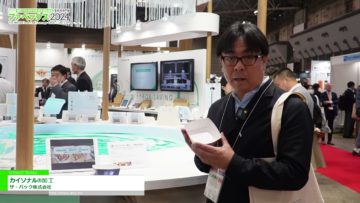
[FABEX 2024] Chisonal® processing - The Pack Co., Ltd.
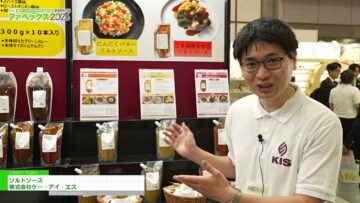
Salt sauce - K.I.S. Co., Ltd. [The 29th Fabex 2026]
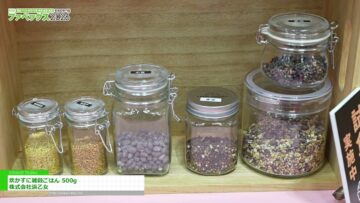
500g of mixed grain rice (no cooking required) - Hama Otome Co., Ltd. [The 29th Fabex 2026]
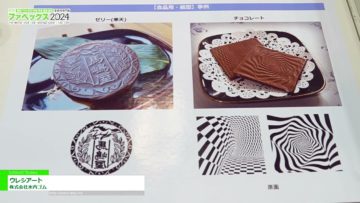
[FABEX 2024] ureciato - Mizuuchi Rubber Co., Ltd.
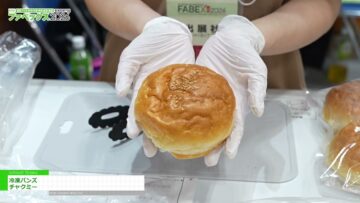
Frozen buns - Chakmi [The 29th Fabex 2026]
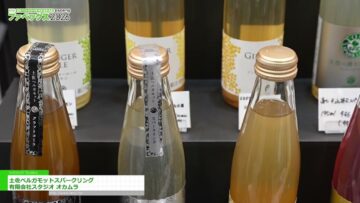
Tosa Bergamot Sparkling - Studio Okamura Co., Ltd. [The 29th Fabex 2026]
Featured Exhibitions by Year
The 29th Fabex 2026 (Japan)
FABEX 2024 (Japan)
Benefits of Exhibiting
FABEX allows exhibitors to directly present their products and solutions to professionals involved in commercial food procurement and product development, including supermarkets, convenience stores, prepared-food and bento businesses, restaurants, institutional catering companies, hotels, food manufacturers, trading companies and wholesalers.
Food products have many characteristics that are difficult to communicate through websites or catalogs alone, such as taste, aroma, texture and preparation methods. This makes exhibitions particularly effective because exhibitors can demonstrate product value through tastings and live demonstrations.
In addition to developing new customers, FABEX can be used for meetings with existing clients, test marketing of new products, gathering feedback from product-development professionals, and finding distributors and wholesalers.
Key Points for Exhibition Preparation
Clearly define your target audience and exhibition objective, such as “propose products to supermarket prepared-food departments,” “gain adoption by restaurant chains,” or “win OEM projects with food manufacturers.”
In addition to product samples, organize the information buyers need for adoption decisions, including commercial pricing, minimum order quantities, lead times, shelf life, storage requirements, logistics conditions, preparation methods and production capacity.
When offering tastings, prepare not only to let visitors evaluate the taste, but also to explain preparation time, serving methods, cost and suggested menu applications.
Estimated Exhibition Costs
Booth Space Fee
The booth-space fee is the basic cost of exhibiting. Fees vary depending on the exhibition plan, booth size and other conditions.
When preparing a budget, exhibitors should consider not only the booth fee but also costs for booth construction, electricity, water supply and drainage, kitchen equipment, refrigeration and freezer equipment, and tasting facilities.
Decoration and Booth Construction Costs
As a general planning guideline, a one-booth stand may cost approximately JPY 300,000–800,000, two booths around JPY 700,000–1,500,000, and four booths or more generally JPY 1,500,000 or above.
Food exhibitions may require not only standard display counters and signage but also refrigerators, freezers, sinks, cooking equipment, tasting counters, and water supply and drainage facilities. Construction costs can therefore vary significantly depending on the equipment required.
Staffing Costs
Budget for sales staff, product specialists, cooking and tasting staff, reception personnel and other staff members. When providing a large number of tastings, operations can be easier if cooking and serving personnel are assigned separately from staff responsible for business negotiations.
Transportation and Logistics Costs
Costs are incurred for transporting product samples, display fixtures and cooking equipment into and out of the exhibition venue. Refrigerated and frozen products require temperature-controlled logistics, which may cost more than transportation for ordinary exhibition items.
Please confirm exact fees with the exhibition organizer.
Booth Examples by Size
One-Booth Stand
Focus on core products and position product displays or tasting counters along the aisle. It is important to communicate product benefits in short, clear phrases such as “Frozen Prepared Foods,” “Labor-Saving Solution” or “Made with Japanese Ingredients.”
Two-Booth Stand
This configuration makes it easier to separate product-display and tasting areas from business-meeting space. When presenting multiple product categories, zoning the stand by application or target market helps visitors understand the offering.
Four Booths or More
A larger stand can combine cooking demonstrations, tastings, product displays, video presentations and business meetings. Exhibitors can also recreate a store or kitchen environment to demonstrate specifically how products or equipment would be used after installation.
When selecting a booth contractor, check not only its experience with food exhibitions but also photographs and portfolios showing work involving water supply and drainage, electrical systems, kitchen equipment, refrigeration and freezer equipment.
Key Points for a Successful Exhibition Booth
Visitor Flow Design
Because visitors interested in tastings and buyers seeking detailed business discussions may be present at the same time, separating the flow between tasting areas and business-meeting spaces can make booth operations more efficient.
Visibility
Instead of displaying only the company name, communicate buyer benefits that can be understood quickly from the aisle, such as “Shorter Preparation Time,” “Long-Term Frozen Storage,” “Small-Lot OEM Available” or “Made with Japanese Ingredients.”
Demonstrations and Experience Design
Tastings are highly effective for food products, but rather than simply handing out samples, explaining preparation processes, differences from conventional products and usage methods can make it easier to lead visitors into business discussions.
For food-processing equipment, operating the machinery and demonstrating processing time, required staffing and finished results can communicate the benefits of introduction more concretely.
Using Exhibition Videos
Showing a two- to three-minute product or service introduction video on monitors or LED displays inside the booth allows visitors to understand key product features even while staff members are engaged in business discussions.
Video is also effective for showing information that cannot be brought to the exhibition venue, including food manufacturing processes, factory equipment, production regions, producers, cooking methods and examples of use at customer locations.
If meetings with international buyers are anticipated, adding English subtitles allows basic product information to be communicated even when appropriate staff members are unavailable.
Another approach is to film a company representative or product specialist explaining the product at the exhibition and edit the footage into a two- to three-minute video for distribution on the same day or the following day.
The completed video can be reused on the company website, YouTube, social media, sales emails, product pages and sales presentation materials.
By continuing to publish the video on WorldTradeShow.tv(インターネット展示会.tv), product information can also reach food buyers and businesses in Japan and overseas that were unable to visit the exhibition. Product explanations made during the exhibition can therefore become long-term sales and marketing assets rather than being limited to the event itself.
If the booth contractor can also handle video production, cooking demonstrations, tasting counters, lighting, monitors and camera positions can be planned together from the booth-design stage.
Visitor Acquisition Strategies for Better Exhibition Results
Email Marketing
Send exhibition announcements to existing customers and prospective business partners in advance, including information on exhibited products, tastings and demonstrations, and booth location. For important buyers, scheduling meeting times in advance can improve efficiency.
Social Media
Promote new products, products scheduled for exhibition, tasting menus and cooking demonstrations on social media in advance. During the exhibition, short videos introducing products or demonstrations can also help reach visitors already at the venue.
Invitations and Direct Mail
For important prospects such as supermarkets, restaurant chains, food manufacturers, trading companies and wholesalers, invitations are more likely to lead to business meetings when they include products and proposals specifically relevant to the recipient.
Exhibition Landing Page
Create a dedicated exhibition landing page on your company website featuring exhibited products, booth number, tasting and demonstration schedules, product videos and a business-meeting reservation form.
Keeping product videos and materials available after the exhibition allows the company to continue generating inquiries through search, sales emails and social media.
Companies That Can Provide Booth Construction and Exhibition-Operation Support
When exhibiting at FABEX, it is efficient to choose a booth contractor that can advise not only on standard exhibition construction but also on the water supply and drainage, electricity, refrigeration and freezer equipment, cooking facilities, tasting counters and hygiene-management requirements necessary for food exhibitions.
Product introductions, cooking demonstrations and interviews with company representatives can also be filmed at the exhibition and edited into two- to three-minute videos on the same day or the following day for communication during the event.
By continuing to publish the completed videos not only on the company website and social media but also on WorldTradeShow.tv(インターネット展示会.tv), exhibitors can continue delivering product information to prospective customers in Japan and overseas even after the exhibition has ended.
Please see the booth-construction company pages below.
SPORTEC Booth Design & Construction Companies
Request a Booth Contractor Recommendation and Receive a Free Exhibitor Video Package
Submit your requirements and our team will recommend suitable contractors.
Looking for a booth design and construction company for this exhibition?
Tell us about your project and requirements.
Our team will review your request and introduce suitable contractors.
As a special benefit, exhibitors who request quotations through our service will receive a complimentary exhibitor video production package.
Your request is not automatically sent to all contractors. We carefully review your requirements and connect you with the most suitable companies.